 DidarNovin Clinic
rTMS or high-frequency transcranial magnetic stimulation is a non-invasive method that can be effective in treating chronic pain and fibromyalgia. This method uses magnetic fields to stimulate brain activities and helps improve symptoms.
What is fibromyalgia and chronic pain?
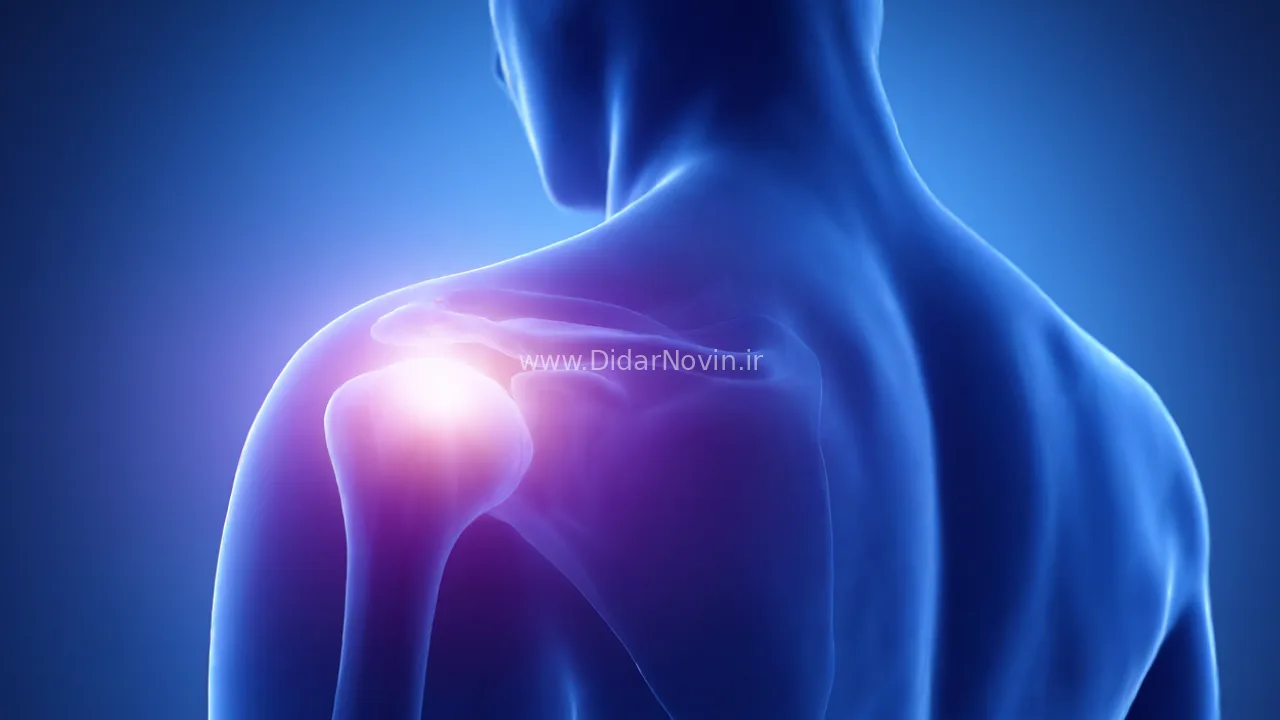
Fibromyalgia is a chronic disorder in which a person experiences widespread pain in their body. This condition can be accompanied by symptoms such as fatigue, sleep disturbances, and cognitive issues. Chronic pain refers to pain that persists for more than 3 months and can be caused by diseases or injuries.
Causes of fibromyalgia
- Genetic disorders
- Trauma and physical injuries
- Psychological factors such as stress and anxiety
- Sleep disorders

rTMS and how it works
The rTMS method stimulates specific areas of the brain using magnetic fields. This stimulation can help regulate neural activities and reduce chronic pain. In this process, electricity is transferred to the scalp, creating positive effects on the central nervous system.
Benefits of rTMS
- Non-invasive and does not require anesthesia
- Reduced side effects compared to medications
- Improved quality of life for the individual
- Can be used alongside other treatment methods
Side effects of rTMS
The side effects of rTMS are usually mild and temporary and include:
- Headache
- Discomfort at the stimulation site
- Nausea
To prevent serious side effects, consulting with a doctor is essential. rTMS side effects: What you need to know? should be read.
Who are suitable candidates for rTMS?
Individuals suffering from chronic pain or fibromyalgia who have not responded to other treatments may be suitable candidates for rTMS. Consulting with a doctor for a precise assessment of individual conditions and the appropriateness of this treatment method is essential. For more information, visit Who are suitable candidates for rTMS?.
Tangible scenario
For example, suppose one of the patients named Sara has been living with chronic pain due to fibromyalgia for a long time. She has not responded to various treatments including pain medications and physical therapy, and her daily life has been affected. After consulting with a doctor, she is introduced to rTMS as a new treatment option. After a few treatment sessions, Sara feels that her pain has decreased and her quality of life has improved.

Important note for your loved ones
If you or one of your loved ones is facing chronic pain or fibromyalgia issues, this article can provide useful information. Sharing this information can also help others become aware of treatment options.
Further reading: What is rTMS? 6 facts about brain magnetic stimulation
Summary for patients
rTMS is an innovative and non-invasive method for treating chronic pain and fibromyalgia that can help reduce pain and improve quality of life. If you are looking for treatment options, it is advisable to consult with your doctor.
Sources
- American Psychological Association — The Effects of rTMS on Chronic Pain
- National Institute of Health — rTMS برای فیبرومیالژیا: یک مرور
- World Health Organization — Chronic Pain Management
Ask a question or share a thought about this article; the site admin replies. Only your first name is shown. Please do not post phone numbers, links or personal details.

